Understanding Meibomian Gland Dysfunction: A Foundational Perspective
For professionals: an overview of meibomian gland dysfunction and the role of warmth and lubrication in daily care.

Dry Eye Disease (DED) is one of the most common complaints encountered in optometric practice today. At the heart of this multifactorial disease often lies Meibomian Gland Dysfunction (MGD), a condition that affects the lipid layer of the tear film and significantly impacts tear stability. As specialists, our ability to correctly identify and manage MGD not only alleviates patient discomfort but also mitigates the progression of ocular surface disease.
What is MGD and Why Does It Matter?
MGD is a chronic, diffuse abnormality of the meibomian glands, commonly characterized by terminal duct obstruction and/or changes in glandular secretion. The result is an altered tear film, increased evaporation, inflammation, and damage to the ocular surface (Nichols et al., 2011). Left untreated, MGD contributes to the instability of the tear film and significantly worsens the quality of life for our patients.
Our collective challenge is not only identifying the condition but optimizing therapeutic strategies that are both effective and sustainable for long-term use.
The Role of Heat: A Modern Reconsideration of an Ancient Remedy
One of the most time-tested and clinically endorsed strategies for treating MGD involves using warm compresses, particularly those that deliver consistent, moist heat directly to the eyelids. Traditional warm towels, while widely used, often fail to maintain the necessary temperature and moisture for the required duration (Murakami et al., 2015).
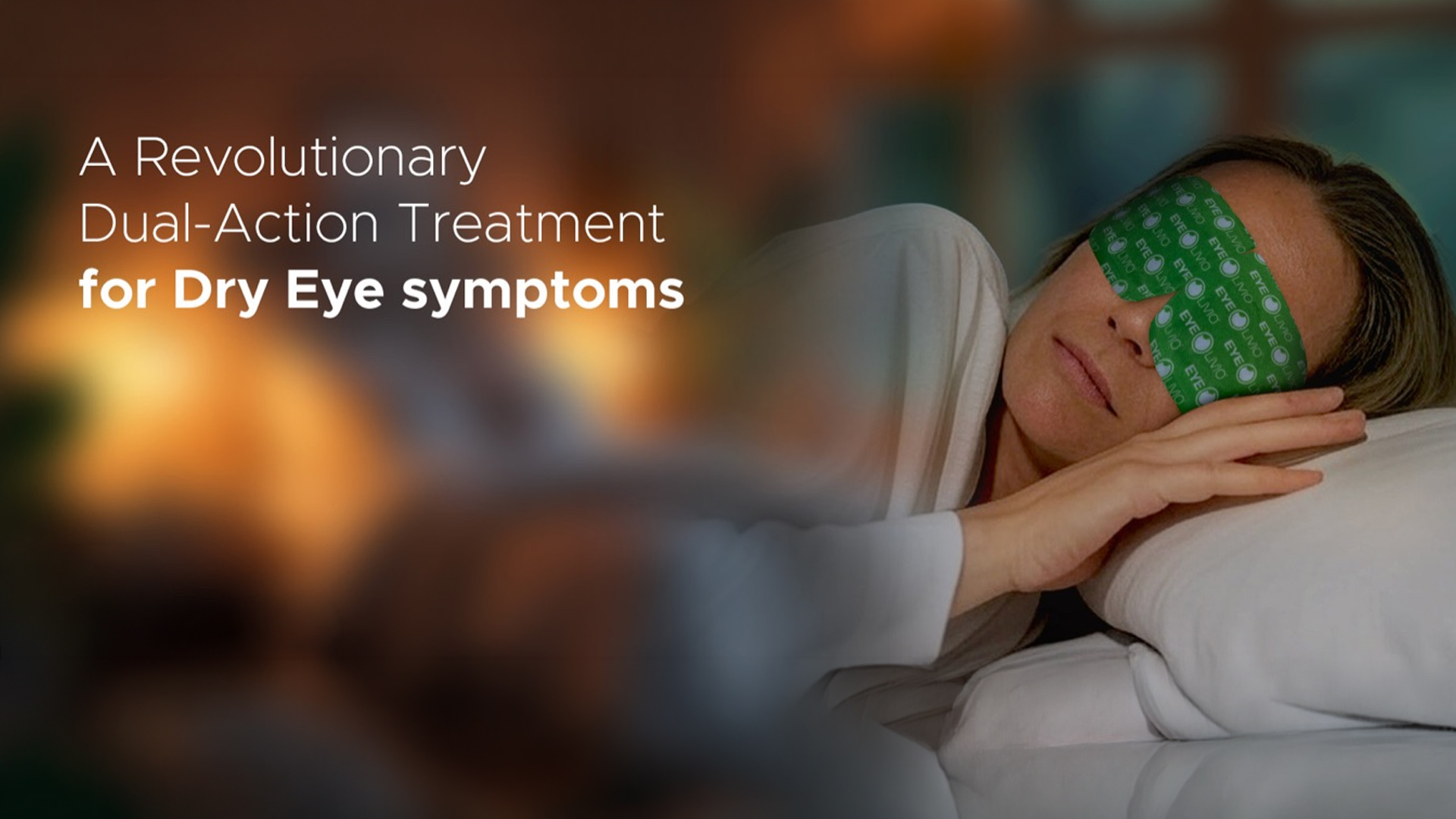
This is where self-heating eye masks have shown promise in clinical studies. By holding a steady temperature (typically 40–45 °C), warm masks can help soften thickened meibum. They are also patient-friendly, portable and hygienic, which makes long-term use easier.
Clinical Tip: Encourage patients to use self-heating masks daily for at least 10 minutes. Combine this with gentle lid massage to further facilitate gland expression.
A bedtime lubricant ointment
In parallel with warmth, a lubricant eye ointment at bedtime provides overnight moisture.
A Holistic Approach to MGD: Beyond the Basics
As clinicians, we can help patients build simple daily habits. This means:
- Emphasizing daily maintenance routines, such as warm compresses and lid hygiene.
- Using a lubricant eye ointment at bedtime for overnight moisture.
- Monitoring gland structure and function using meibography.
- Educating patients about screen time, environmental triggers, and nutrition (omega-3s remain essential!).
Conclusion
MGD is a manageable condition, but it requires diligence, both from the practitioner and the patient. Simple daily tools like self-heating compresses and a bedtime lubricant ointment make the routine easier to keep.
References:
- Nichols, K. K., Foulks, G. N., Bron, A. J., et al. (2011). The international workshop on meibomian gland dysfunction: executive summary. Investigative Ophthalmology & Visual Science, 52(4), 1922–1929.
- Murakami, D. K., Blackie, C. A., & Korb, D. R. (2015). All warm compresses are not created equal. Optometry and Vision Science, 92(9), e257–e263.
This article is for general information only and is not medical advice. Talk to your eye doctor about your symptoms and before starting any new routine.