Understanding Evaporative Dry Eye Disease
Evaporative dry eye is the most common type of dry eye. Learn how it happens and which everyday steps can help.
Tears are essential for maintaining ocular surface health, consisting of three layers: mucous, aqueous, and lipid. The lipid layer, produced by the meibomian glands, prevents rapid evaporation of the aqueous component. Dysfunction of these glands leads to a deficient lipid layer, resulting in increased tear evaporation and the onset of EDE. Symptoms include dryness, irritation, redness, and a gritty sensation in the eyes.
What Is Evaporative Dry Eye Disease?
Evaporative Dry Eye Disease (EDE) is the most prevalent form of Dry Eye Disease (DED), accounting for over 85% of cases. It occurs when the tear film's oily layer is insufficient, leading to rapid evaporation of tears and resulting in symptoms such as burning, itching, and blurred vision.
The primary cause of EDE is Meibomian Gland Dysfunction (MGD), where the glands responsible for secreting oils into the tear film become blocked or produce poor-quality oil.
Traditional Treatments and Their Limitations
Common at-home steps for EDE include artificial tears, warm compresses, and eyelid hygiene. They work best when done consistently, which is often the hardest part.
A simple nighttime routine: EYELIVIO®
EYELIVIO® combines two simple steps:
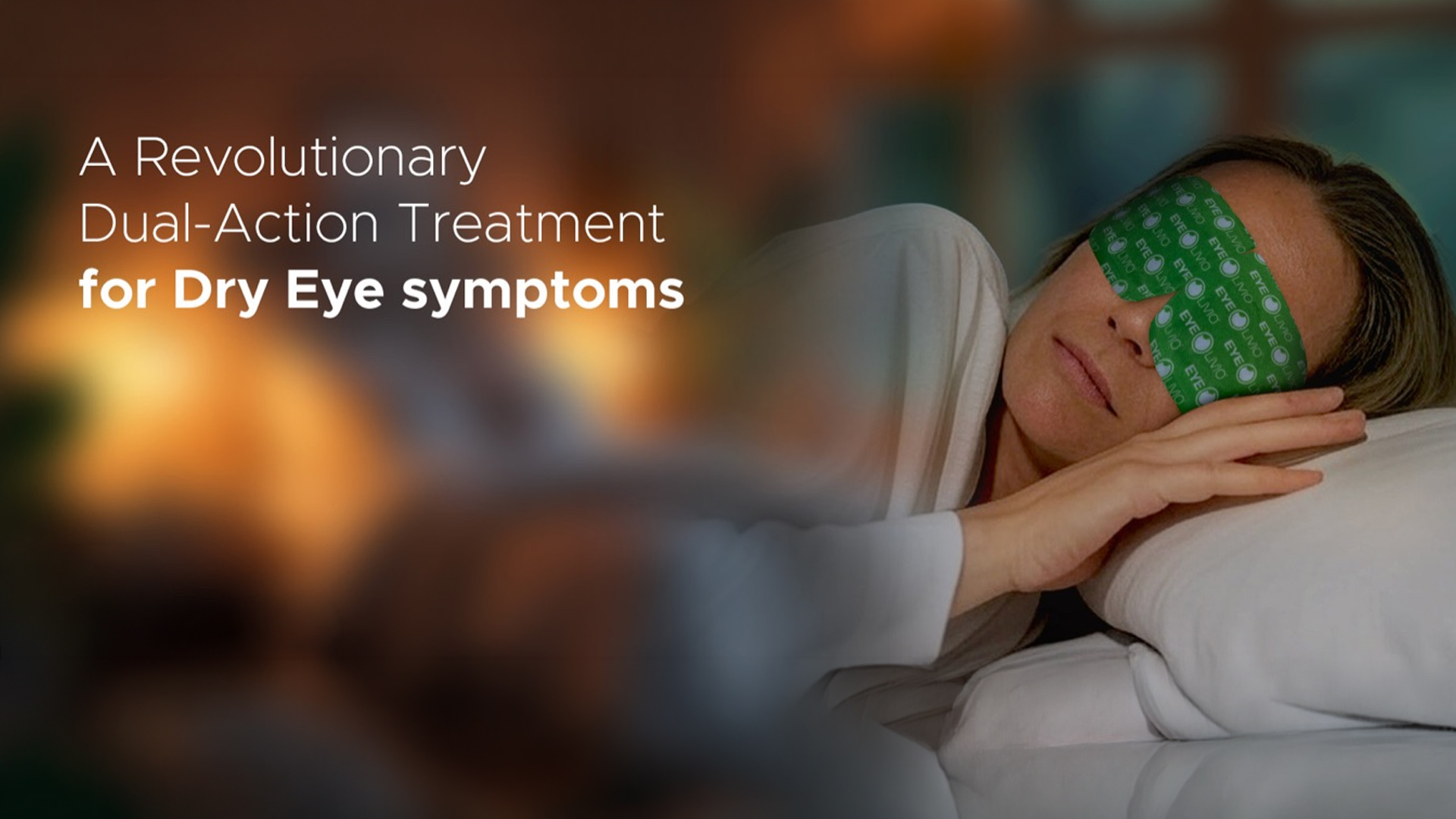
- Self-Warming Eye Mask: Gives gentle, consistent warmth to closed eyelids for 10–15 minutes, with no microwave needed.
- Nighttime Lubricant Eye Ointment: A preservative-free ointment applied before sleep that keeps eyes moisturized overnight.
Why people choose EYELIVIO®
- Convenience: The self-heating mask requires no external heat source, making it easy to use anywhere.
- Morning Comfort: The nighttime ointment keeps eyes moisturized while you sleep.
Conclusion
Evaporative dry eye can affect daily life, but simple, consistent habits help. Talk to your eye doctor about your symptoms, and consider a calm bedtime routine with warmth and overnight moisture.
References
- American Academy of Ophthalmology. "Dry Eye Disease." EyeNet Magazine, 2017.
- Cleveland Clinic. "Meibomian Gland Dysfunction." Cleveland Clinic Health Library, 2023.
- Verywell Health. "How Tears Evaporate and Lead to Dry Eye." Verywell Health, 2024.
- Healthline. "Meibomitis: Causes, Treatment, Diagnosis, Prevention, and Pictures." Healthline, 2023.
- American Journal of Ophthalmology. "Estimated Prevalence and Incidence of Dry Eye Disease Based on Coding Analysis." AJO, 2019.
- WebMD. "Meibomian Gland Dysfunction (MGD): Symptoms, Causes, & Treatment." WebMD, 2023.
- BMC Ophthalmology. "Prevalence of Dry Eye and Meibomian Gland Dysfunction in Central and South America: A Systematic Review and Meta-Analysis." BMC Ophthalmology, 2023.
This article is for general information only and is not medical advice. Talk to your eye doctor about your symptoms and before starting any new routine.